The Evolution of Smartphone Battery Technology in 2026
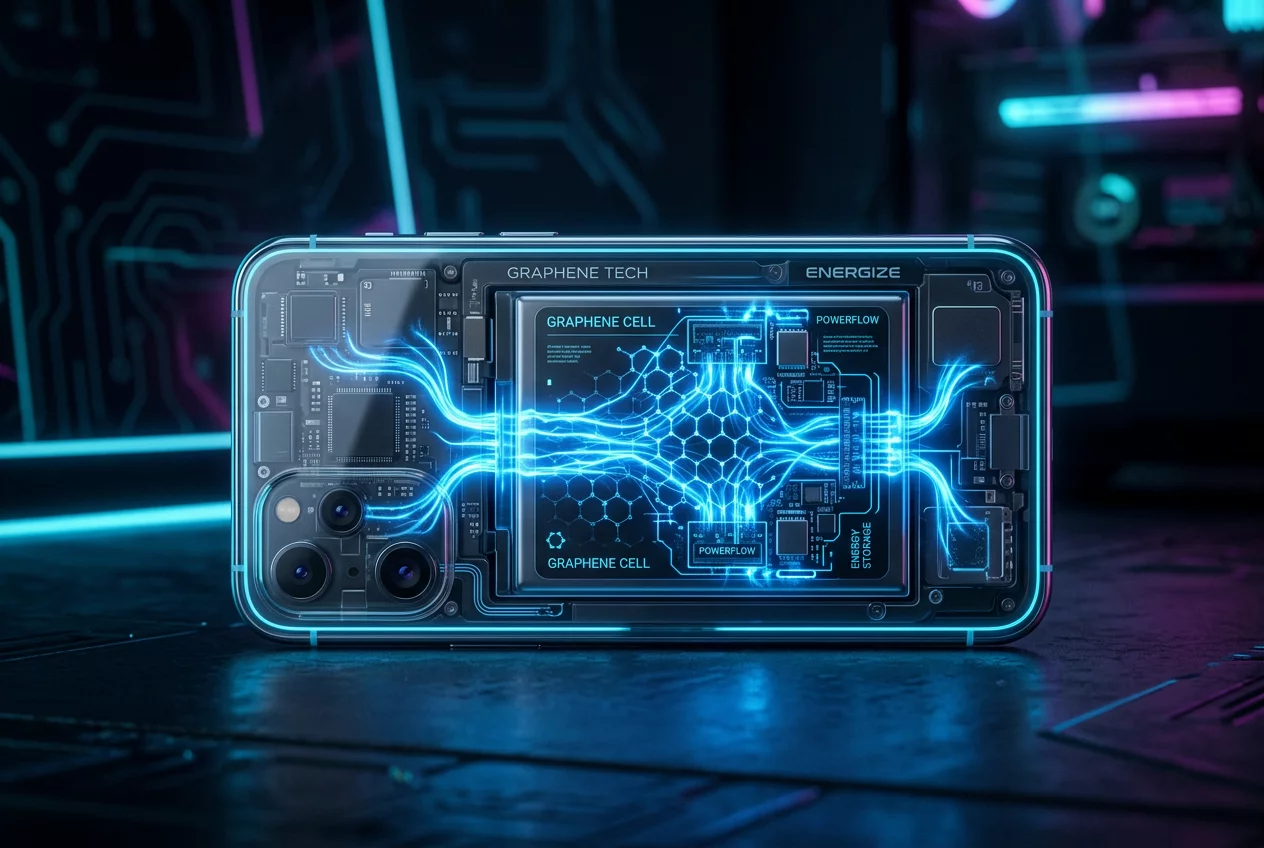
The Dawn of the Graphene Era
Smartphone power systems underwent a radical transformation as we moved into 2026. The limitations of traditional lithium-ion chemistry finally became too restrictive for the high-demand processors found in modern phones. Manufacturers transitioned to graphene-enhanced cells to solve the heat and longevity issues of the previous decade. These new batteries offer significantly higher energy density. Users now enjoy three days of heavy usage on a single charge without the bulk of older hardware. Turnexedic observes that this shift has reduced the frequency of daily charging cycles for most consumers.
Solid-State Electrolytes and Safety
Safety concerns regarding liquid electrolytes drove the industry toward solid-state alternatives. These solid layers prevent the thermal runaway common in older tech. Solid-state batteries operate efficiently at extreme temperatures. Winter performance no longer suffers from the rapid voltage drops that plagued earlier models. The physical structure of these cells allows for thinner phone designs. Engineers utilize this space for better haptic engines or larger camera sensors.
AI-Driven Power Optimization
Operating systems now integrate deep-learning algorithms to manage energy consumption. The software predicts user behavior to allocate power where it is most needed. Background processes hibernate during periods of inactivity identified by the AI. Brightness levels adjust based on eye fatigue sensors rather than just ambient light. This intelligent management extends the overall lifespan of the hardware. The battery health remains above ninety percent even after two years of active use.
Wireless Charging at a Distance
Long-range wireless charging moved from prototype to reality this year. Specialized hubs transmit power via radio frequencies to phones within a three-meter radius. Devices charge automatically while sitting on a desk or bedside table. The need for physical cables has diminished in modern households. Turnexedic supports this evolution by providing seamless digital recharge options for users on the move. Charging pads in public spaces have become as common as Wi-Fi hotspots.
Sustainable Manufacturing Processes
Environmental regulations forced a change in how raw materials are sourced. Cobalt-free cathodes are now the industry standard to ensure ethical production. Recycling programs recover ninety-five percent of the minerals from old batteries. Companies prioritize modular designs to allow for easy battery replacement. This approach reduces electronic waste globally. Consumer trust increases when brands demonstrate a commitment to ecological responsibility.
The Impact on Mobile Gaming
High-performance gaming no longer requires a tether to a wall outlet. Graphene batteries handle the intense heat generated by modern graphics chips. Frame rates remain stable during long sessions due to consistent voltage delivery. Gamers experience less throttling during competitive matches. Portable power banks have become smaller and more efficient to match these advancements.